Milestones are significant checkpoints or goals that mark important stages in the development and progress of a Saas product. They serve as key indicators to track and measure the success of a project, helping product managers and teams stay on track and celebrate achievements.
Examples
Here are a few examples of milestones in Saas product management:
- Prototype Completion: When the initial prototype of the product is developed and ready for testing.
- Beta Launch: The release of a product's beta version for limited user testing.
- Feature Development: Milestones that mark the completion of important features or modules within the product.
- User Acquisition: Achieving a specific number of active users or customer sign-ups.
- Revenue Milestones: Reaching predetermined revenue targets, such as hitting a certain monthly recurring revenue (MRR) or annual recurring revenue (ARR) figure.
Importance
Milestones play a crucial role in Saas product management for several reasons:
- Progress Tracking: They provide a clear roadmap for tracking the progress of a project, ensuring that the product development stays on schedule.
- Goal Setting: Milestones help set specific, measurable goals for the product team, keeping them motivated and focused.
- Communication and Alignment: Milestones serve as communication tools to align different teams and stakeholders, ensuring everyone is on the same page regarding project progress and goals.
- Celebrating Achievements: Milestones provide opportunities to celebrate successes and milestones reached, boosting team morale and motivation.
How to Use Milestones
To effectively use milestones in Saas product management, follow these steps:
- Identify Key Stages: Break down the product development process into key stages or phases. Identify the significant checkpoints that indicate progress within each stage.
- Set Clear Objectives: Define specific objectives for each milestone. Make them measurable and time-bound to keep the team focused and accountable.
- Track Progress: Continuously monitor and track progress towards each milestone. Use project management tools or software to keep everyone informed and updated on status.
- Adjust and Adapt: If necessary, adjust milestones based on evolving priorities, feedback, or changes in the project scope. Flexibility is crucial to ensure milestones remain relevant.
- Celebrate Achievements: When a milestone is reached, acknowledge and celebrate the achievement. Recognize the efforts of the team and reflect on lessons learned.
Useful Tips
Consider these tips for effective milestone management:
- Keep Milestones Realistic: Ensure that milestones are achievable within the given timeframes and available resources.
- Break Down Complex Milestones: If a milestone seems overwhelming, break it down into smaller, more manageable subtasks or sub-milestones.
- Communicate and Collaborate: Maintain open and regular communication with the team and stakeholders to ensure everyone is aligned and aware of milestone progress.
- Revisit and Review: Regularly review and assess milestones to ensure they remain relevant and aligned with the overall product roadmap.
FAQ
What are milestones in product management?
Why are milestones important in product management?
How do you define milestones in product management?
What are some examples of milestones in product management?
Who is responsible for setting milestones in product management?
How can milestones be effectively tracked in product management?
Can milestones change during the course of product management?
What happens if a milestone is not met in product management?
Are milestones only applicable to product development projects?
How do milestones contribute to overall product success?
The faster, easier way to capture user feedback at scale
Join over 5,204 product managers and see how easy it is to build products people love.





Did you know 80% of software features are rarely or never used? That's a lot of wasted effort.
SaaS software companies spend billions on unused features. In 2025, it was $29.5 billion.
We saw this problem and decided to do something about it. Product teams needed a better way to decide what to build.
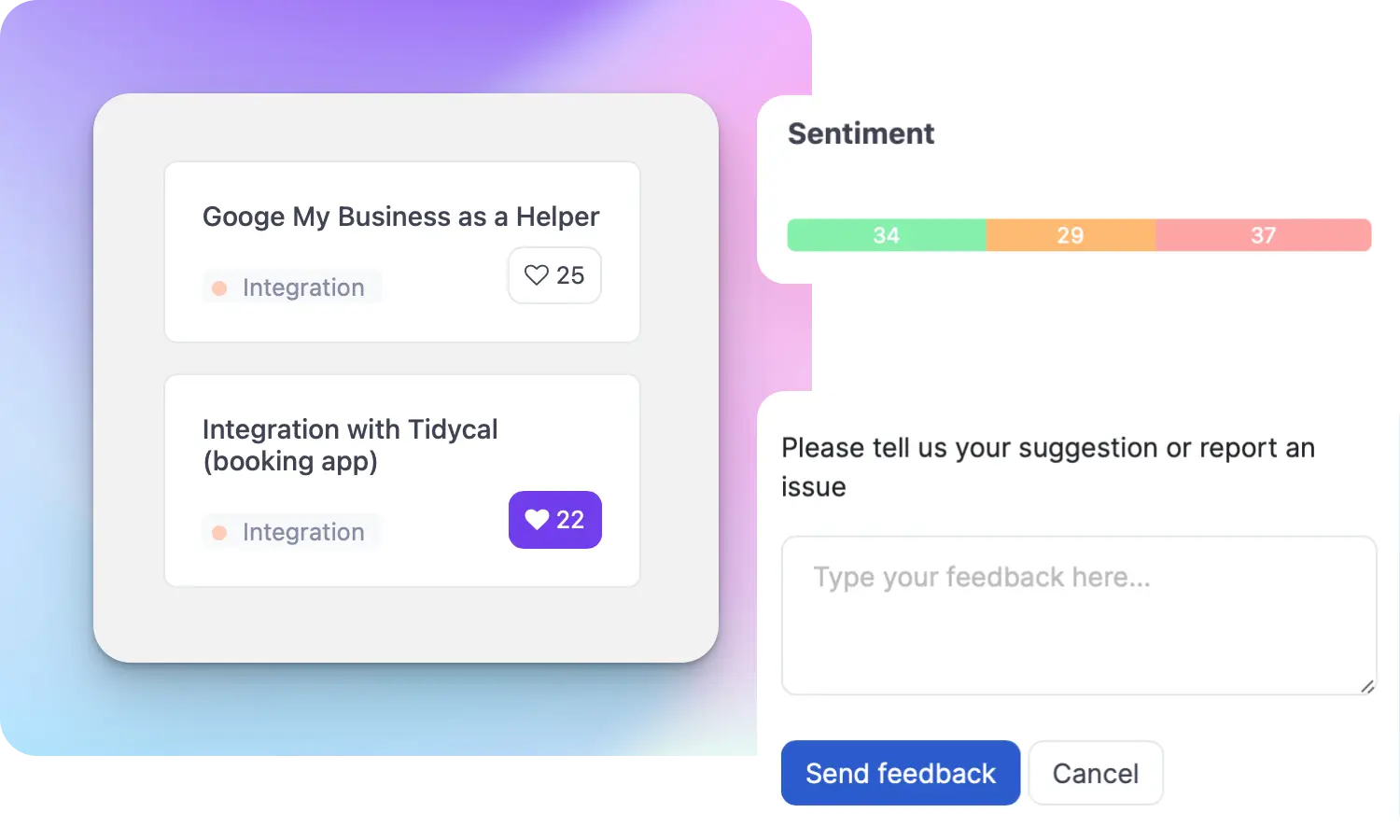
That's why we created ProductLift - to put all feedback in one place, helping teams easily see what features matter most.
In the last five years, we've helped over 5,204 product teams (like yours) double feature adoption and halve the costs. I'd love for you to give it a try.

Ruben Buijs
Founder & Digital Consultant