A Feature Factory is a term used in product management to describe an approach where a company focuses solely on pushing out new features without considering their quality or value to the customer. It refers to a high quantity, low-quality development process that churns out features at a rapid pace.
Examples
- Company X releases a new version of their mobile app every week, but most of the features are buggy or irrelevant to the users.
- Team Y is under pressure to deliver a certain number of features every month, resulting in rushed development and poor user experience.
Importance
While the concept of a Feature Factory may seem appealing initially, it often leads to negative outcomes in the long run. Prioritizing quantity over quality can result in a product that lacks usability, stability, and fails to meet customer needs. It can lead to dissatisfied users, increased support requests, and ultimately, a decline in customer loyalty.
How to Use It
To avoid falling into the trap of becoming a Feature Factory, product managers should focus on maintaining a balance between feature development and quality:
- Define a clear product vision: Understand the long-term goals of the product and align feature development with that vision.
- Prioritize customer needs: Identify and prioritize the most important features based on customer feedback, user research, and market analysis.
- Implement agile methodologies: Embrace agile practices such as iterative development, continuous delivery, and regular feedback loops to ensure the right features are being built.
- Invest in quality assurance: Allocate sufficient time and resources for testing and quality assurance to prevent software defects and improve user experience.
- Measure and analyze: Continuously monitor the impact of new features, collect user feedback, and analyze data to make data-driven decisions for future development.
Useful Tips
- Foster a culture of quality: Encourage the development team to take ownership of the quality of the features they build by emphasizing the importance of user satisfaction and long-term success.
- Iterate and improve: Regularly revisit and enhance existing features based on user feedback and evolving market trends rather than solely focusing on new feature development.
- Involve stakeholders: Collaborate with cross-functional teams, including designers, engineers, and customer support, to ensure a holistic approach to feature development.
FAQ
What is a Feature Factory?
Why is it called a Feature Factory?
What are the characteristics of a Feature Factory?
What are the drawbacks of a Feature Factory approach?
How does a Feature Factory affect product quality?
What is the alternative to a Feature Factory?
How can a company transition from a Feature Factory to a more balanced approach?
What role does product management play in combating the Feature Factory mentality?
What are some signs that a company is operating as a Feature Factory?
How does a Feature Factory impact the work-life balance of product teams?
The faster, easier way to capture user feedback at scale
Join over 5,204 product managers and see how easy it is to build products people love.





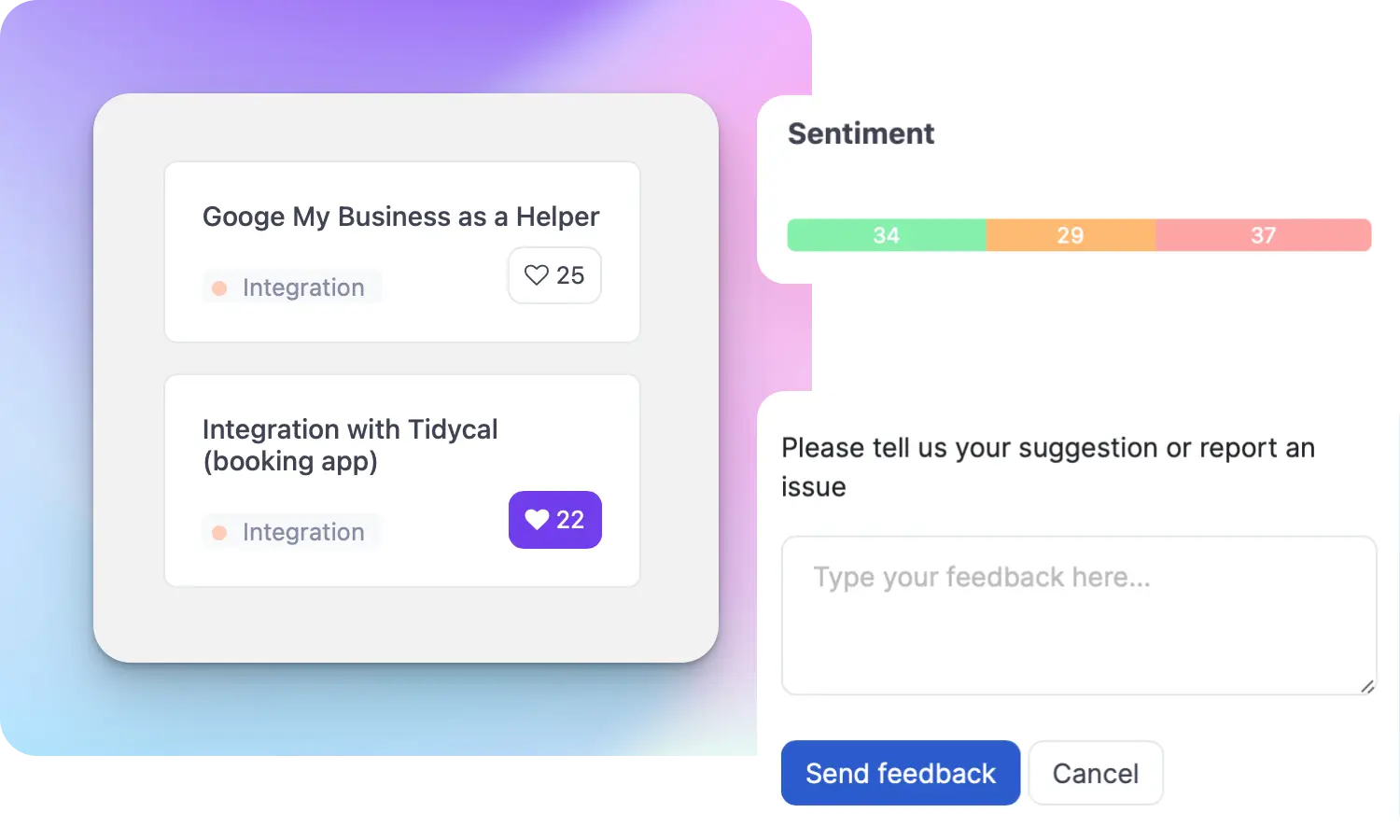
Did you know 80% of software features are rarely or never used? That's a lot of wasted effort.
SaaS software companies spend billions on unused features. In 2025, it was $29.5 billion.
We saw this problem and decided to do something about it. Product teams needed a better way to decide what to build.
That's why we created ProductLift - to put all feedback in one place, helping teams easily see what features matter most.
In the last five years, we've helped over 5,204 product teams (like yours) double feature adoption and halve the costs. I'd love for you to give it a try.

Ruben Buijs
Founder & Digital Consultant