A unique selling point (USP) refers to the distinctive feature or characteristic of a product or service that sets it apart from its competitors. It is the factor that persuades potential customers to choose this particular product or service over others in the market.
Examples
- Apple's USP for the iPhone is its seamless integration of hardware and software, providing a user-friendly experience that is unmatched by its competitors.
- Dropbox's USP is its easy-to-use interface and seamless file synchronization across multiple devices, making it the go-to choice for cloud storage.
- Mailchimp's USP lies in its user-friendly email marketing platform that offers a wide range of customizable templates and advanced analytics.
Importance
Having a clear and compelling USP is vital for the success of any product or service. It differentiates your offering from the competition and gives customers a reason to choose you. A strong USP helps build brand loyalty, increases customer retention, and attracts new customers. It also helps in developing effective marketing strategies and targeting the right audience.
How to Use It
To effectively use your unique selling point, follow these steps:
-
Identify your target audience: Understand who your ideal customers are and what their needs and pain points are.
-
Research the competition: Analyze your competitors' products or services to identify their strengths and weaknesses. This will help you find a gap in the market that you can fill with your USP.
-
Determine your unique features: Identify the features or benefits of your product or service that set you apart from the competition. Focus on what makes you unique and how it can solve your customers' problems.
-
Craft your message: Develop a clear and concise statement that communicates your USP to your target audience. This message should highlight the value you provide and why customers should choose you over others.
-
Incorporate your USP into marketing efforts: Integrate your USP into your marketing materials, including your website, social media campaigns, advertisements, and sales pitches. Consistently communicate your USP to create brand awareness and attract customers.
Useful Tips
-
Keep it simple: Your USP should be easy to understand and communicate. Avoid using technical jargon or complex language that could confuse potential customers.
-
Focus on benefits: Highlight the benefits or solutions your product or service provides rather than just its features. Customers are more interested in what the product can do for them.
-
Be authentic: Ensure that your USP truly reflects what sets you apart and that you deliver on your promises. Building trust with your customers is essential for long-term success.
-
Continuously evaluate and adapt: Market trends and customer needs can change over time. Regularly assess your USP and make adjustments if necessary to stay relevant and competitive.
FAQ
What is a Unique Selling Point (USP)?
Why is having a Unique Selling Point important for a SaaS product?
How can I identify the Unique Selling Point of my SaaS product?
Can a Unique Selling Point change over time?
How can a Unique Selling Point impact pricing strategies?
Can a SaaS product have multiple Unique Selling Points?
What should I do if my SaaS product lacks a Unique Selling Point?
How can I effectively communicate my Unique Selling Point to potential customers?
Can a Unique Selling Point be replicated by competitors?
Should I update my Unique Selling Point over time?
The faster, easier way to capture user feedback at scale
Join over 5,204 product managers and see how easy it is to build products people love.





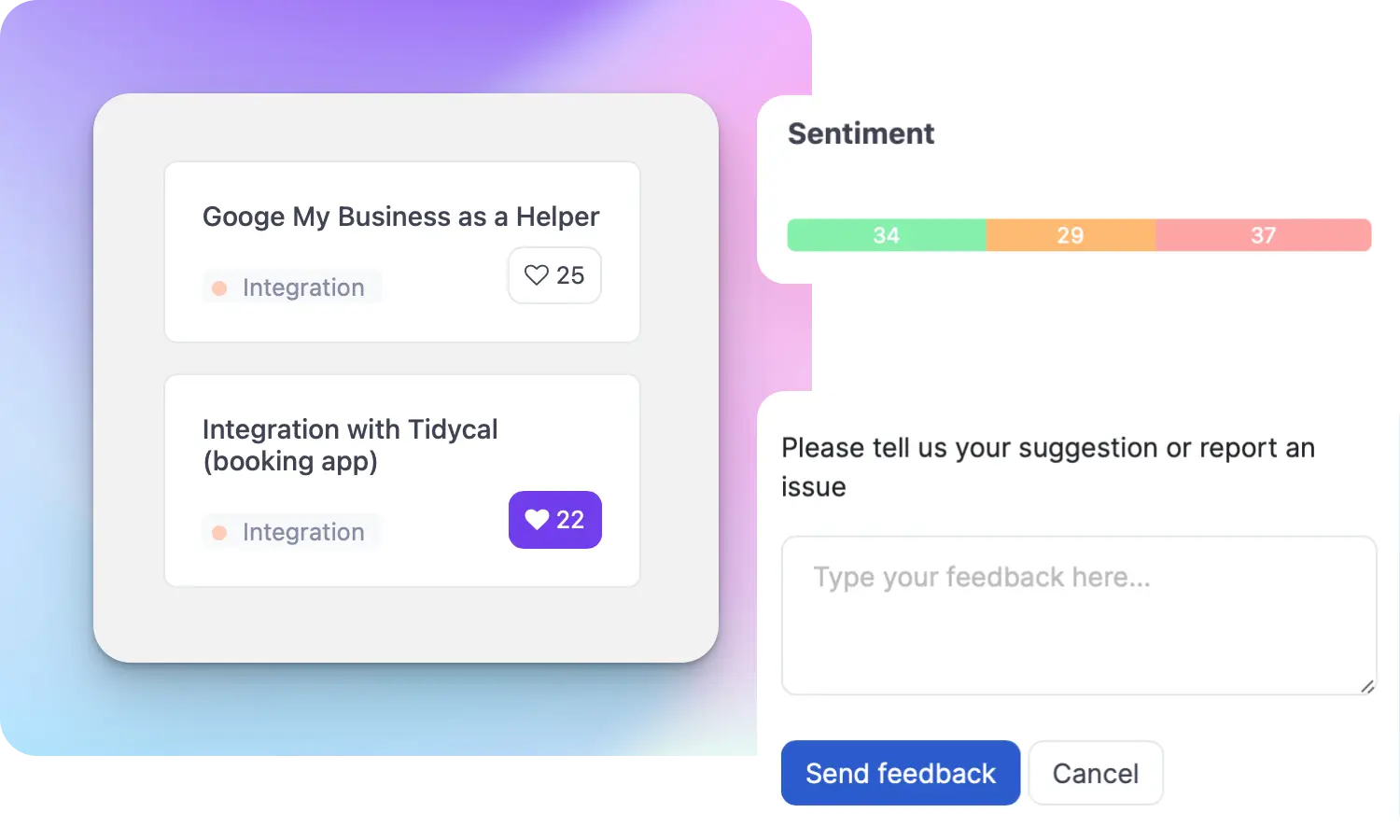
Did you know 80% of software features are rarely or never used? That's a lot of wasted effort.
SaaS software companies spend billions on unused features. In 2025, it was $29.5 billion.
We saw this problem and decided to do something about it. Product teams needed a better way to decide what to build.
That's why we created ProductLift - to put all feedback in one place, helping teams easily see what features matter most.
In the last five years, we've helped over 5,204 product teams (like yours) double feature adoption and halve the costs. I'd love for you to give it a try.

Ruben Buijs
Founder & Digital Consultant