SWOT Analysis is a strategic planning technique that helps businesses evaluate their internal strengths and weaknesses, as well as external opportunities and threats. It provides a comprehensive overview of the current state of a business and helps in identifying areas that need improvement or potential areas for growth.
Examples of SWOT Analysis
- Strengths: A company may have a strong brand reputation, a dedicated customer base, or proprietary technology.
- Weaknesses: Limited resources, lack of skilled workforce, or poor supply chain management can be considered weaknesses.
- Opportunities: Entering a new market, launching a new product, or emerging trends that align with the company's offerings are examples of opportunities.
- Threats: Intense competition, changing customer preferences, or economic downturns can pose threats to a business.
Importance of SWOT Analysis
SWOT Analysis is crucial for businesses as it provides a structured framework to assess their current situation. It enables businesses to identify areas where they excel and capitalize on them, as well as areas that need improvement. By understanding external opportunities and threats, businesses can adapt their strategies to stay competitive in the market.
How to Use SWOT Analysis
- Identify strengths: Analyze the internal factors that give your business an advantage over competitors. Consider your unique selling propositions, resources, and expertise.
- Identify weaknesses: Evaluate the areas where your business lags behind. It could be in terms of resources, skills, or any other internal limitations.
- Identify opportunities: Look for external factors that could benefit your business. This could include emerging markets, changing customer needs, or upcoming industry trends.
- Identify threats: Assess the external factors that could potentially harm your business. Stay updated on market trends, competitor activities, and economic factors that may impact your industry.
- Analyze and strategize: Based on the SWOT analysis, develop strategies that leverage your strengths, address weaknesses, exploit opportunities, and mitigate threats.
Useful Tips for SWOT Analysis
- Be honest and objective while evaluating strengths and weaknesses.
- Conduct market research to identify opportunities and threats accurately.
- Prioritize key factors based on their potential impact on the business.
- Involve a diverse team to gain different perspectives.
- Regularly review and update the SWOT analysis to stay relevant in a dynamic business environment.
FAQ
What is SWOT analysis?
How does SWOT analysis help in product management?
What are the four components of SWOT analysis?
What does 'strengths' refer to in SWOT analysis?
What does 'weaknesses' mean in SWOT analysis?
What does 'opportunities' refer to in SWOT analysis?
What does 'threats' mean in SWOT analysis?
How can SWOT analysis be conducted?
What are some common mistakes to avoid in SWOT analysis?
How often should SWOT analysis be performed?
The faster, easier way to capture user feedback at scale
Join over 5,204 product managers and see how easy it is to build products people love.





Did you know 80% of software features are rarely or never used? That's a lot of wasted effort.
SaaS software companies spend billions on unused features. In 2025, it was $29.5 billion.
We saw this problem and decided to do something about it. Product teams needed a better way to decide what to build.
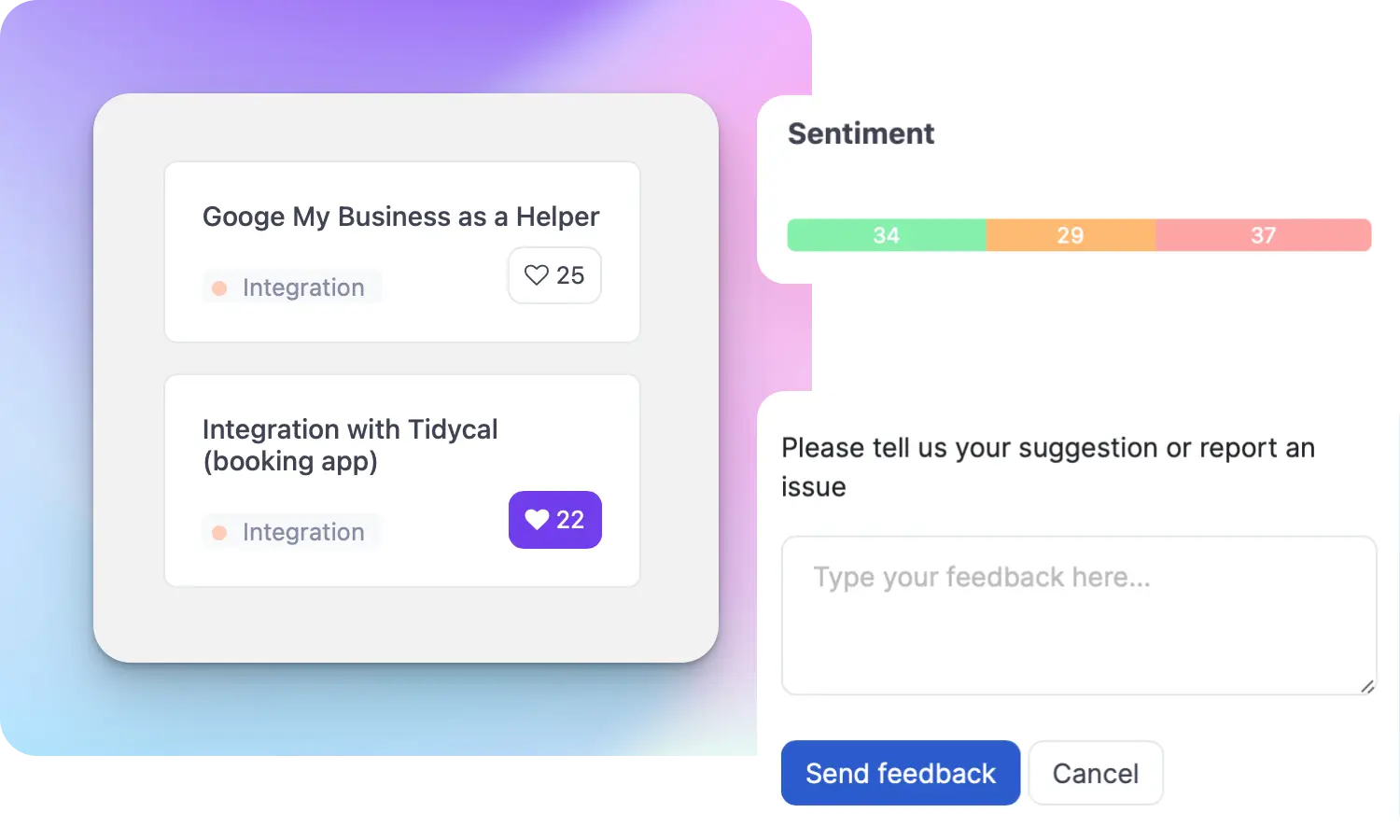
That's why we created ProductLift - to put all feedback in one place, helping teams easily see what features matter most.
In the last five years, we've helped over 5,204 product teams (like yours) double feature adoption and halve the costs. I'd love for you to give it a try.

Ruben Buijs
Founder & Digital Consultant