The Kano Model is a product management framework that helps businesses identify and prioritize features based on customer satisfaction. Developed by Professor Noriaki Kano in the 1980s, this model categorizes customer preferences into five distinct categories: Must-be, One-dimensional, Attractive, Indifferent, and Reverse.
Examples
To better understand the Kano Model, let's consider some examples. Imagine you are developing a project management software.
- Must-be: The software must have basic project tracking functionalities such as task management, deadlines, and progress tracking. Without these features, customers would be highly dissatisfied.
- One-dimensional: Customers expect additional features that enhance their experience, like time tracking, file sharing, and collaboration tools. The absence of these features would result in dissatisfaction, but their presence only meets expectations.
- Attractive: These are unexpected features that delight customers when present, but their absence does not cause dissatisfaction. For example, advanced analytics or integrations with other popular tools.
- Indifferent: Features that neither add value nor detract from customer satisfaction. An example could be having different color themes for the software interface.
- Reverse: These features, when present, actually lead to customer dissatisfaction. An example could be complex and confusing settings that overwhelm users.
Importance
The Kano Model is valuable because it helps product managers prioritize features and allocate resources effectively. By understanding which features are most important to customers, businesses can focus on developing and enhancing the aspects that truly matter. This model also aids in identifying potential opportunities for innovation and competitive differentiation.
How to Use the Kano Model
- Identify customer preferences: Conduct surveys, interviews, and user testing to gather customer feedback and understand their expectations.
- Categorize features: Classify each feature into one of the five Kano Model categories: Must-be, One-dimensional, Attractive, Indifferent, or Reverse.
- Prioritize features: Focus on Must-be and One-dimensional features to meet customer expectations and avoid dissatisfaction. Then, consider adding Attractive features to delight customers and gain a competitive edge.
- Monitor changing customer preferences: Regularly reassess customer needs and preferences as they may evolve over time. Features that were once Attractive may become basic expectations, requiring continuous adaptation.
Useful Tips
- Use the Kano Model in combination with other product management frameworks, such as the MoSCoW method or the Eisenhower Matrix, to make informed decisions.
- Prioritize Must-be features to ensure a solid foundation for customer satisfaction before investing in Attractive features.
- Continuously gather customer feedback to stay up-to-date with changing preferences and identify emerging trends.
- Consider the cost-benefit analysis of each feature to ensure resources are allocated efficiently.
FAQ
What is the Kano Model?
What are the five types of customer preferences in the Kano Model?
What is a Must-Be attribute in the Kano Model?
What is a One-Dimensional attribute in the Kano Model?
What is an Attractive attribute in the Kano Model?
What is an Indifferent attribute in the Kano Model?
What is a Reverse attribute in the Kano Model?
The faster, easier way to capture user feedback at scale
Join over 5,204 product managers and see how easy it is to build products people love.





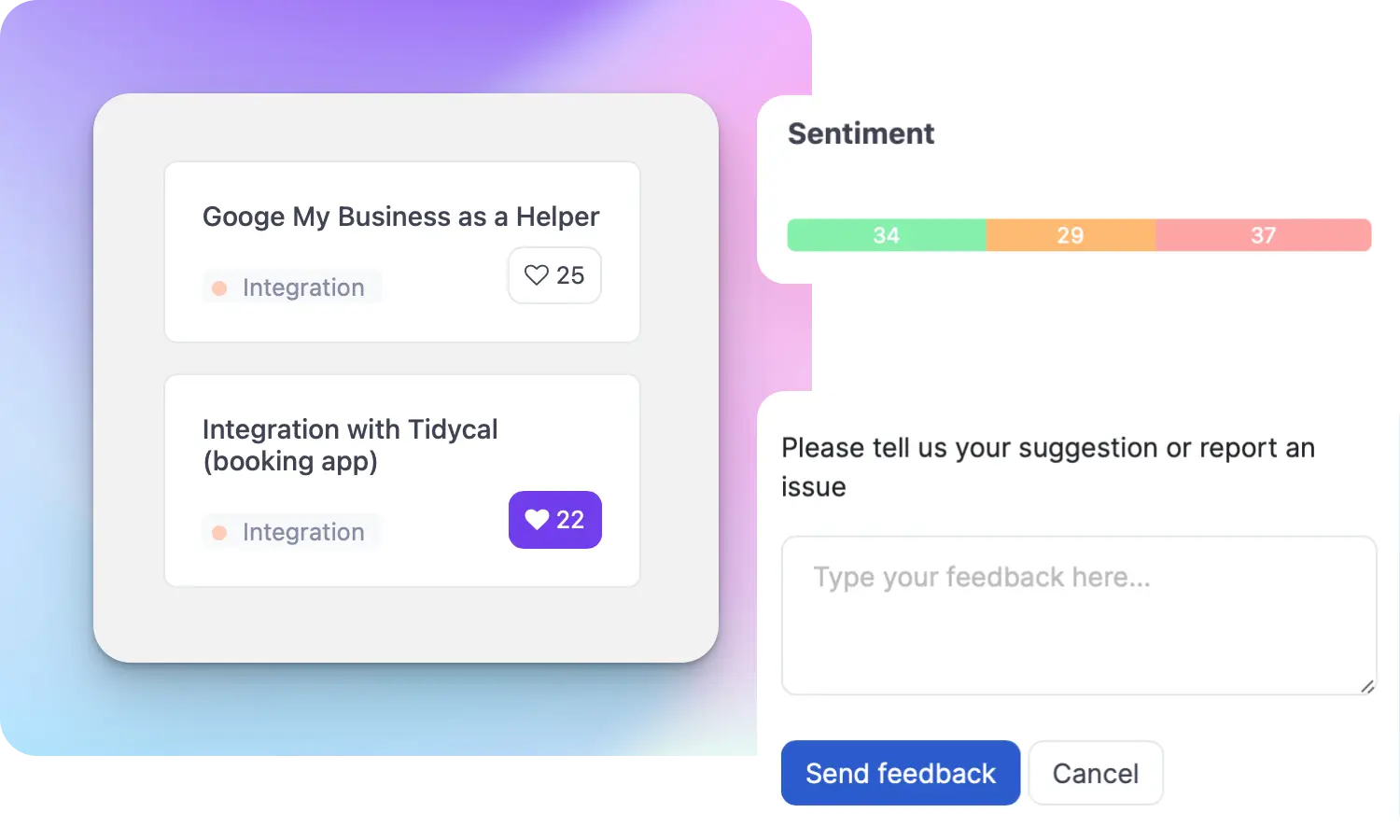
Did you know 80% of software features are rarely or never used? That's a lot of wasted effort.
SaaS software companies spend billions on unused features. In 2025, it was $29.5 billion.
We saw this problem and decided to do something about it. Product teams needed a better way to decide what to build.
That's why we created ProductLift - to put all feedback in one place, helping teams easily see what features matter most.
In the last five years, we've helped over 5,204 product teams (like yours) double feature adoption and halve the costs. I'd love for you to give it a try.

Ruben Buijs
Founder & Digital Consultant