A feasibility study is a crucial step in the process of product management for a SaaS (Software as a Service) product. It involves evaluating the practicality and viability of a proposed project or idea before committing resources to its development. By conducting a feasibility study, product managers can assess the potential success of a product, identify potential challenges, and make informed decisions about whether to proceed with the project.
Examples of Feasibility Study
Here are a few examples to help you understand the concept of a feasibility study better:
-
Market Demand: Before developing a new SaaS product, conducting a feasibility study can help determine if there is a sufficient market demand for it. For example, a feasibility study for a project management tool would assess the number of potential users in the market and their willingness to adopt a new solution.
-
Technical Feasibility: Evaluating the technical feasibility of a product is crucial to ensure that it can be developed and maintained effectively. For instance, a feasibility study for a video conferencing software would consider factors such as required infrastructure, bandwidth requirements, and integration capabilities.
-
Financial Feasibility: A feasibility study also examines the financial viability of a product. It involves estimating the costs involved in development, marketing, and ongoing maintenance, as well as projecting potential revenue streams. This assessment helps determine if the product can generate a satisfactory return on investment.
Importance of Feasibility Study
A feasibility study holds significant importance in Saas product management for several reasons:
-
Risk Assessment: By conducting a feasibility study, product managers can identify potential risks and challenges associated with a product idea. This allows them to proactively address these issues and minimize risks before committing resources.
-
Resource Allocation: A feasibility study helps in optimal resource allocation by providing insights into the project's requirements. It enables product managers to allocate time, budget, and human resources effectively, ensuring efficient project execution.
-
Decision Making: Feasibility studies provide valuable information that aids in informed decision making. By evaluating different aspects of a product idea, such as market demand, technical feasibility, and financial viability, product managers can make well-informed decisions about whether to proceed with the project or explore alternative ideas.
How to Use Feasibility Study
To effectively use a feasibility study in your Saas product management process, follow these steps:
-
Define the Project: Clearly define the proposed project or idea that you want to evaluate. Ensure that the scope and objectives of the study are well-defined.
-
Conduct Research: Gather relevant information and conduct thorough research to assess various factors associated with the project. This may include market research, technical analysis, financial projections, and competitor analysis.
-
Evaluate Feasibility Factors: Analyze the gathered information to evaluate the feasibility of the project. Consider factors such as market demand, technical requirements, resource availability, financial viability, and potential risks.
-
Make Informed Decisions: Based on the findings of the feasibility study, make well-informed decisions about whether to proceed with the project, modify the idea, or explore alternative options. Consider the strengths, weaknesses, opportunities, and threats associated with the project.
Useful Tips for Feasibility Study
Here are some useful tips to enhance the effectiveness of your feasibility study:
-
Involve Stakeholders: Engage relevant stakeholders, such as developers, marketers, and financial experts, during the feasibility study process. Their input and expertise can provide valuable insights and help make more accurate assessments.
-
Consider Scalability: Assess the scalability of the proposed product. Determine if it can accommodate future growth and evolving user needs. Scalability is essential for the long-term success of a SaaS product.
-
Review Assumptions: Regularly review the assumptions made during the feasibility study. Market conditions, technology advancements, or other external factors may change, requiring reassessment of the project's feasibility.
FAQ
What is a feasibility study?
Why is a feasibility study important in product management?
What are the key objectives of a feasibility study?
What are the main components of a feasibility study?
How is market potential assessed in a feasibility study?
What does technical feasibility mean in a feasibility study?
What is financial feasibility in a feasibility study?
Why is organizational feasibility important in a feasibility study?
Who is responsible for conducting a feasibility study?
When should a feasibility study be conducted in product management?
The faster, easier way to capture user feedback at scale
Join over 5,204 product managers and see how easy it is to build products people love.





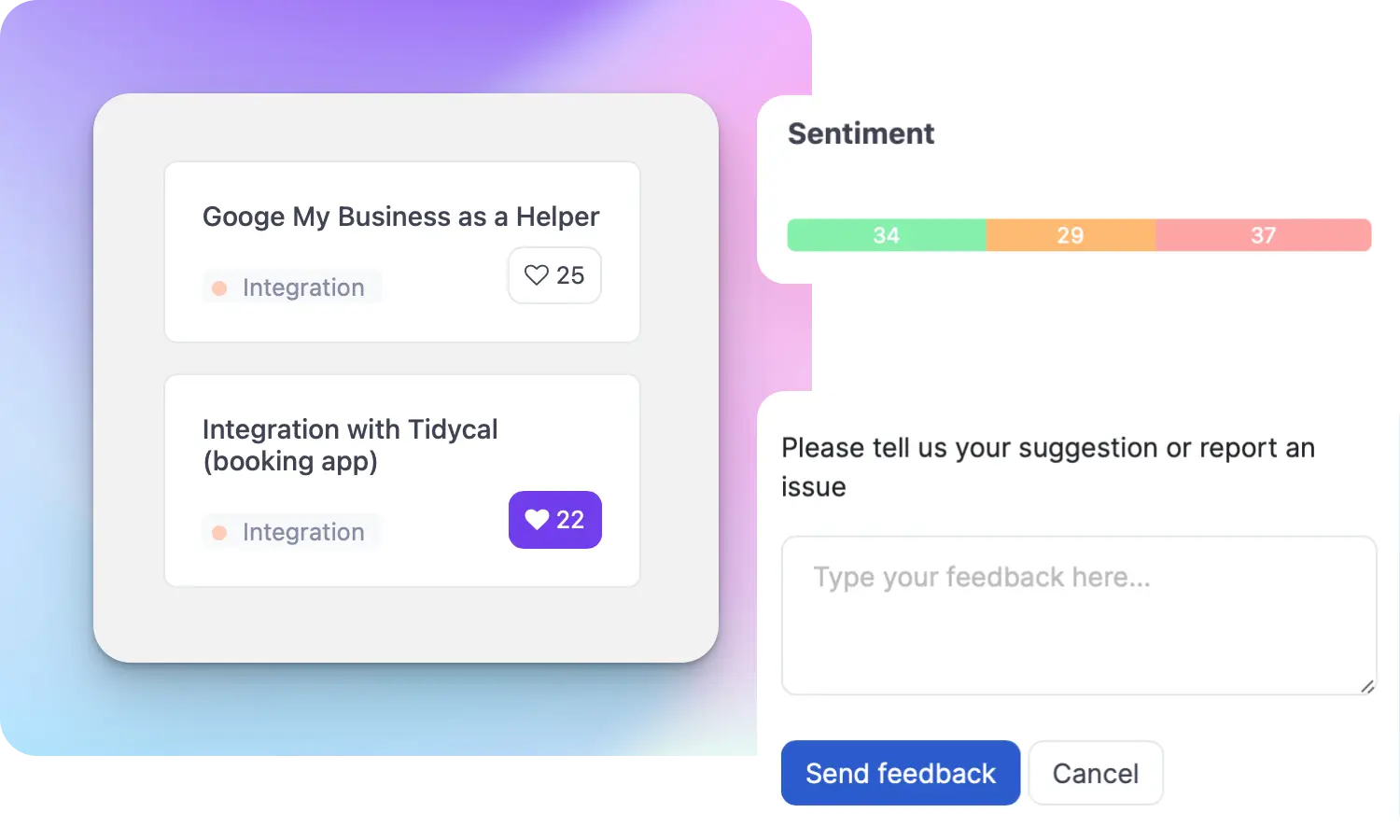
Did you know 80% of software features are rarely or never used? That's a lot of wasted effort.
SaaS software companies spend billions on unused features. In 2025, it was $29.5 billion.
We saw this problem and decided to do something about it. Product teams needed a better way to decide what to build.
That's why we created ProductLift - to put all feedback in one place, helping teams easily see what features matter most.
In the last five years, we've helped over 5,204 product teams (like yours) double feature adoption and halve the costs. I'd love for you to give it a try.

Ruben Buijs
Founder & Digital Consultant