Customer segmentation is a crucial process in product management that involves dividing a company's customer base into distinct groups or segments based on certain common characteristics. These characteristics can include demographics, psychographics, behavior patterns, preferences, and needs. By understanding the unique attributes of each customer segment, product managers can tailor their strategies, products, and marketing efforts to better meet the specific needs and expectations of each group.
Examples
Let's take a look at a few examples of customer segmentation:
-
Demographic Segmentation: This involves dividing customers based on demographic factors such as age, gender, income, education level, and occupation. For instance, a clothing brand may target different age groups with specific product lines and marketing campaigns.
-
Psychographic Segmentation: This type of segmentation categorizes customers based on their attitudes, values, interests, and lifestyle choices. For example, a fitness app may target health-conscious individuals who enjoy outdoor activities and promote features that align with their interests.
-
Behavioral Segmentation: This segmentation approach considers customers' purchasing behavior, brand loyalty, product usage, and buying frequency. An online retailer may segment customers based on their purchase history and offer personalized recommendations and discounts accordingly.
Importance
Customer segmentation is vital for several reasons:
-
Understanding Customer Needs: By segmenting customers, product managers gain deeper insights into their diverse needs, preferences, and pain points. This enables them to develop products and solutions that truly resonate with each segment, leading to higher customer satisfaction.
-
Targeted Marketing and Communication: Customer segmentation allows product managers to create targeted marketing campaigns and personalized communication strategies. By tailoring messages to specific segments, companies can improve engagement, conversion rates, and overall marketing effectiveness.
-
Resource Allocation: Customer segmentation helps allocate resources efficiently. By identifying the most valuable customer segments, product managers can prioritize their efforts, invest in the right areas, and optimize resource allocation for maximum return on investment.
How to Use Customer Segmentation
To effectively use customer segmentation, follow these steps:
-
Identify Relevant Segmentation Factors: Determine the key factors that are relevant to your business and align with your product goals. These factors could include demographics, psychographics, behaviors, or a combination thereof.
-
Collect Data: Gather data about your customers through surveys, interviews, market research, and analytics tools. This data should cover the selected segmentation factors and help you understand your customer base.
-
Analyze and Segment: Analyze the collected data to identify patterns, similarities, and differences among your customers. Use this analysis to segment your customer base into distinct groups.
-
Define Personas: Once you have segmented your customers, create detailed personas for each segment. Personas are fictional characters that represent the typical customers within a segment, including their goals, motivations, and pain points.
-
Tailor Strategies and Tactics: Develop product strategies, marketing campaigns, and communication tactics that are specific to each customer segment. Adapt your messaging, features, pricing, and distribution channels to cater to the unique needs and preferences of each segment.
Useful Tips
Consider the following tips when working with customer segmentation:
-
Regularly Review and Update Segments: Customer preferences and behaviors change over time, so it's crucial to regularly review and update your segments. Stay informed about evolving market trends and adjust your segmentation strategy accordingly.
-
Overlap and Multiple Segments: Recognize that customers can belong to multiple segments or exhibit characteristics that overlap between segments. This allows for more nuanced targeting and personalized approaches.
-
Test and Iterate: Continuously test your segmentation strategies and tactics to evaluate their effectiveness. Collect feedback, measure key metrics, and iterate your approach based on the insights gained.
FAQ
What is customer segmentation?
Why is customer segmentation important?
What are the benefits of customer segmentation?
How can I segment my customers?
What are the common types of customer segmentation?
How do I determine which customer segments to target?
Can I use customer segmentation for product development?
Is customer segmentation a one-time process?
What challenges can I face while implementing customer segmentation?
Are there any tools or software available for customer segmentation?
The faster, easier way to capture user feedback at scale
Join over 5,204 product managers and see how easy it is to build products people love.





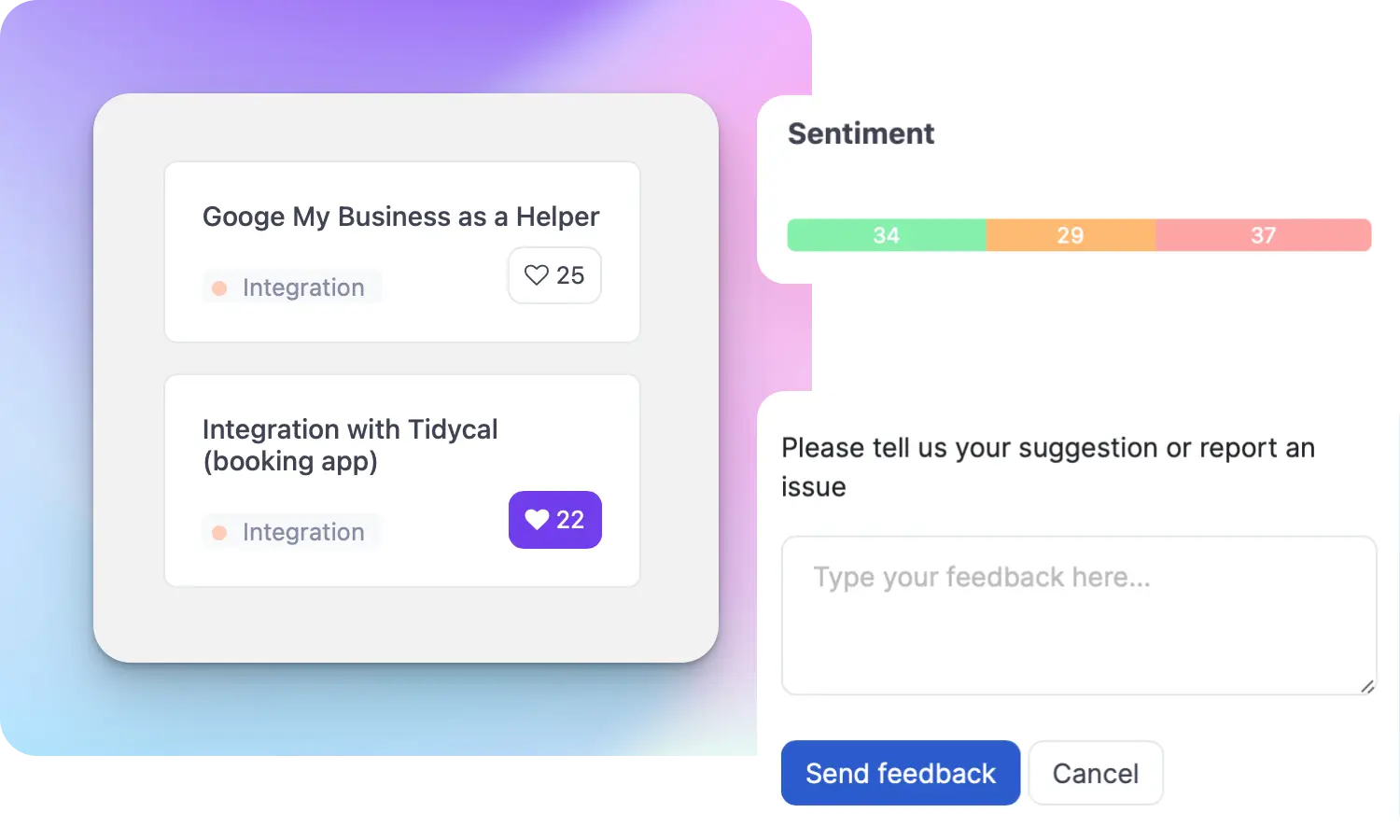
Did you know 80% of software features are rarely or never used? That's a lot of wasted effort.
SaaS software companies spend billions on unused features. In 2025, it was $29.5 billion.
We saw this problem and decided to do something about it. Product teams needed a better way to decide what to build.
That's why we created ProductLift - to put all feedback in one place, helping teams easily see what features matter most.
In the last five years, we've helped over 5,204 product teams (like yours) double feature adoption and halve the costs. I'd love for you to give it a try.

Ruben Buijs
Founder & Digital Consultant